Research
How Cells Remember
Deciphering the rules of epigenetic memory

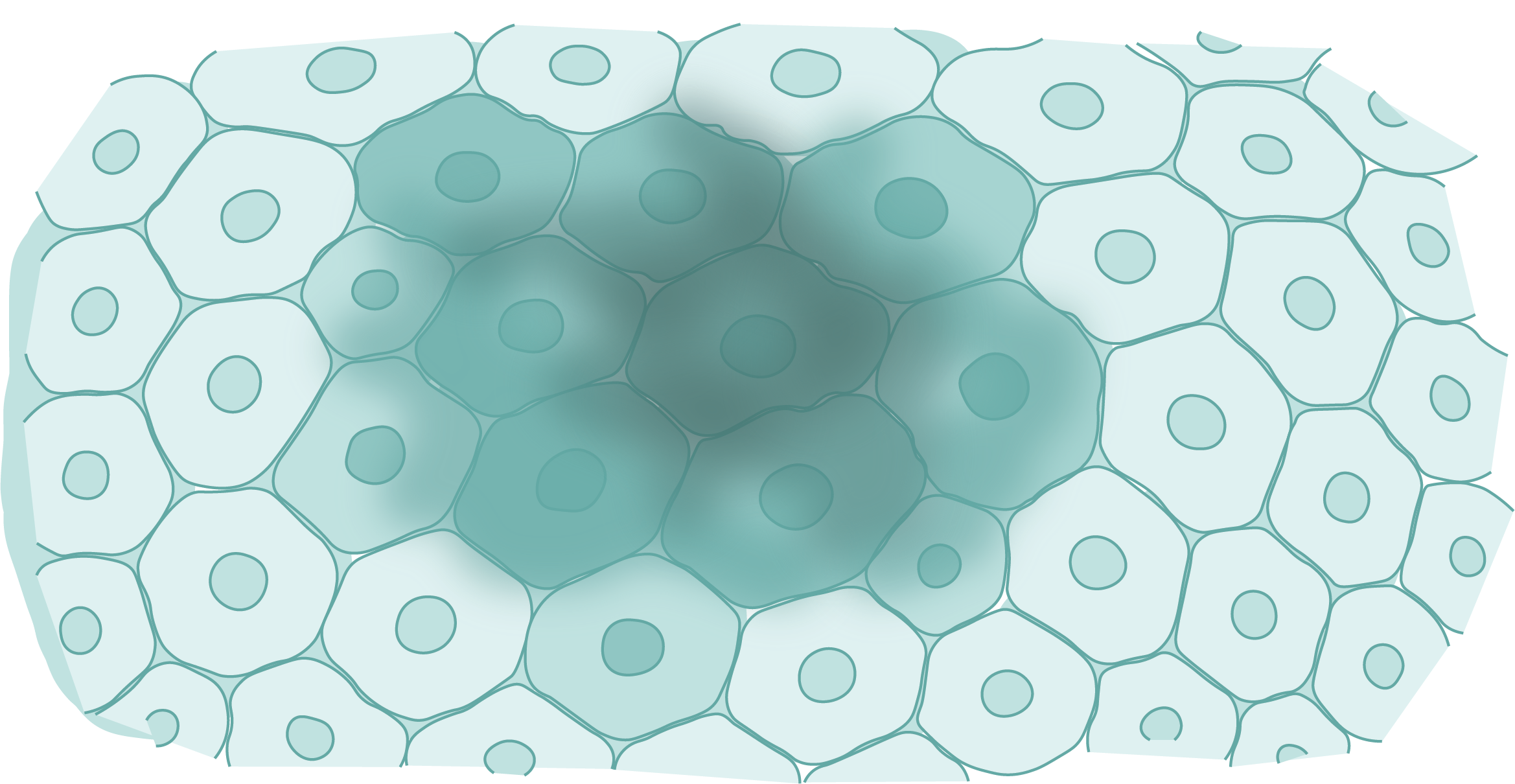
Cells and tissues are shaped by the events of their past. They retain a molecular memory of prior experiences in their epigenome that persists through cell division and differentiation without changes to DNA sequence.
Epigenetic memory has traditionally been viewed as an adaptive process, enabling stronger immune responses and more effective tissue repair. Our work has shown that these same mechanisms can also create long-lasting vulnerabilities [Nature, 2026]. Persistent memories of past events and experiences can remain in otherwise normal tissue, increasing susceptibility to disease long after the original exposure has resolved.
Our laboratory seeks to define the fundamental principles that govern epigenetic memory. Which environmental experiences leave lasting molecular memories? How do multiple memories interact and accumulate across a lifetime? Why do some memories protect tissues while others increase disease risk? And can harmful memories be erased?

How Disease Begins
Tracing the epigenetic origins of disease

An individual's health is shaped by their environment. The exposures and experiences we have today can increase or decrease our risk of developing disease years later. These concepts have taken center stage in recent years, as people are tracking their lifestyle more than ever before and a rise of cancer in young adults across the world appears intimately linked to changing lifestyles and environmental exposures.
Our laboratory studies how these experiences become encoded in the human epigenome and how they contribute to disease long before symptoms appear. By integrating molecular profiling with detailed measures of environmental exposures, we seek to identify the epigenetic alterations that drive disease initiation and progression, uncover the exposures that create them, and determine why some individuals remain resilient while others become susceptible.
Ultimately, we aim to translate these discoveries into tools that improve patient care. We are developing minimally invasive epigenetic biomarkers that detect harmful molecular changes before disease develops, identify individuals at highest risk, and guide prevention, early detection, and treatment strategies.